
Loading...
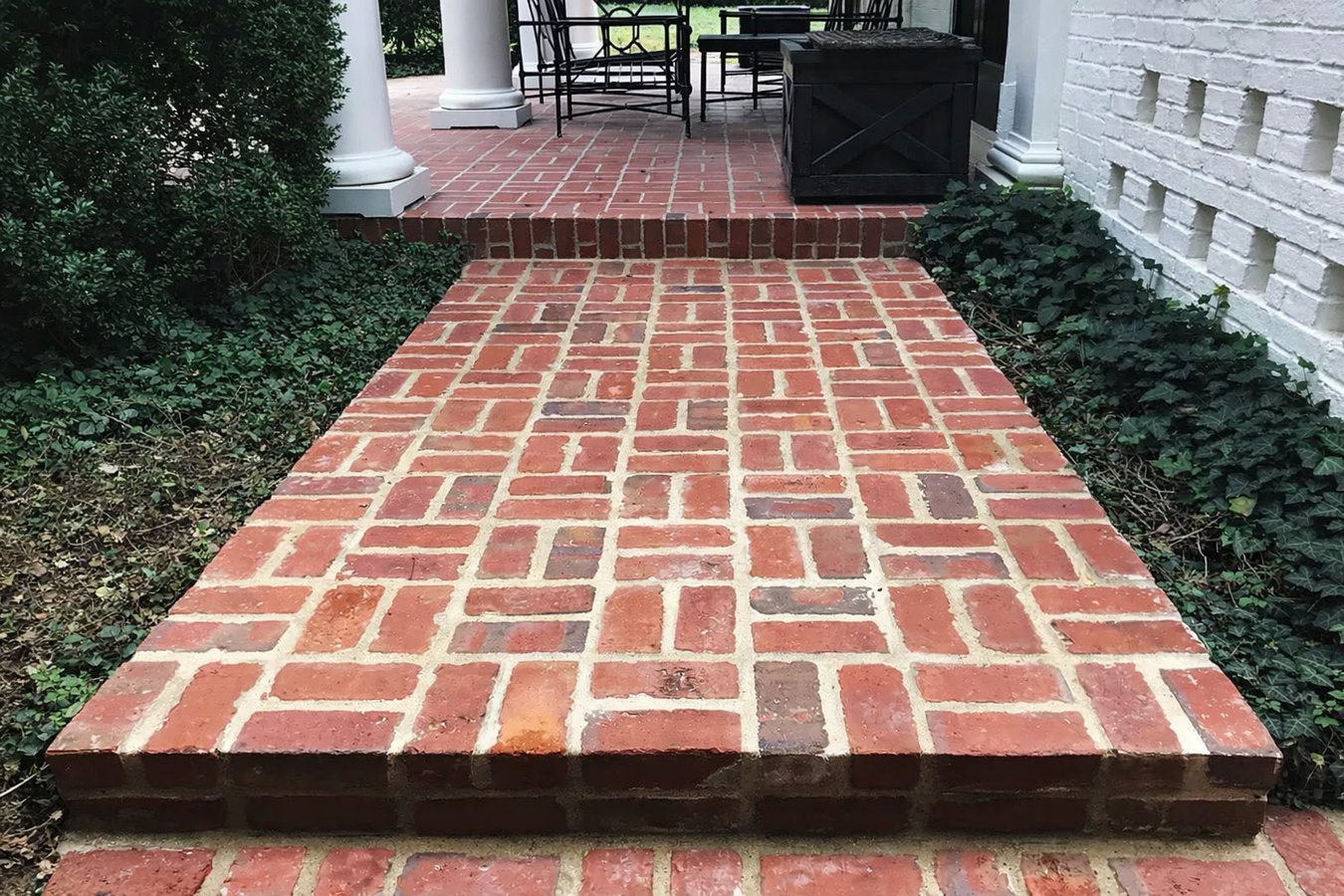
Cracked slabs and muddy paths are a daily frustration. We build concrete, brick, and paver walkways in Champaign with compacted gravel bases and proper drainage slopes - so your path handles freeze-thaw cycles and heavy spring rains without shifting or cracking.
Walkway construction in Champaign means removing existing pavement or grass, excavating to the right depth, compacting a gravel base for drainage, and installing the finished surface - concrete, brick, or natural stone. Most residential walkway projects take one to three days of active work, with concrete needing at least 24 hours before foot traffic and several more weeks to reach full strength.
In Champaign, the base preparation is the step that determines whether a walkway holds up for 30 years or starts failing after the first few winters. The clay-heavy soil here moves with moisture, and a shallow or poorly compacted base will show that movement as heaving and cracking within a few seasons. If you are looking to connect your new walkway to a larger paved surface, our driveway pavers service can extend the project to cover the full approach to your home.
Homeowners often schedule walkway work alongside a brick wall installation to define the edges of the path at the same time - combining scopes avoids disturbing a finished yard a second time and often reduces overall project cost.
If you have filled cracks before and they have come back - or new ones appeared nearby - patching is no longer fixing the problem. In Champaign's climate, repeated freeze-thaw cycles work on existing cracks every winter, and once the underlying base has shifted or deteriorated, surface repairs are just temporary. Cracks wider than a quarter-inch or running in multiple directions usually mean it is time for a full replacement conversation.
Walk your walkway slowly and notice whether any sections have heaved up or sunk relative to adjacent slabs. Even a half-inch height difference between two sections is enough to catch a toe and cause a fall. Champaign's clay soil expands and contracts with moisture changes throughout the year, pushing sections of walkway out of alignment in ways that cannot be fixed by patching alone.
After a rain, watch where the water goes. If it sits in puddles on your walkway or flows toward your foundation, the slope is working against you. Standing water accelerates surface deterioration and creates an icy hazard at your front door in winter. A properly graded walkway sheds water away from your home automatically.
Spalling - where the surface layer flakes off in chunks - is a sign that concrete has absorbed water and been damaged by repeated freezing. Once spalling starts, it tends to spread across the whole slab. If your walkway looks rough, pitted, or patchy, the surface is no longer protecting the material underneath, and the damage will worsen with each Illinois winter.
Every walkway project starts with the base, not the surface. We excavate to the right depth for Champaign's soil conditions, compact a gravel base that lets water drain away rather than pool under your slab, and grade the subbase so the finished walkway slopes gently away from your home. For concrete walkways, we pour and finish the surface in a single day, adding texture and edge profiles as needed. For brick or paver walkways, we set individual units in sand over the compacted base, making it possible to replace a single damaged piece years down the road without disturbing the rest of the path. If your project involves connecting a new walkway to an existing paved approach, our driveway pavers team handles the full scope as a single project.
We also handle permit applications for walkways that connect to the public right-of-way in Champaign, and we contact Illinois JULIE before any digging begins to have underground utilities marked. These steps protect your property and your neighbors - and any contractor who skips them is one to avoid. Homeowners adding a walkway alongside a boundary or privacy feature can combine the scope with a brick wall installation to define the full landscape in a single visit.
Best for homeowners who want a durable, low-maintenance path at a straightforward price - can be textured, colored, or stamped to add curb appeal.
A good fit for homeowners who want a classic look that matches an existing brick exterior, and the flexibility to replace individual units if one cracks or shifts over time.
For homeowners focused on curb appeal and a premium look that stands out in established Champaign neighborhoods - flagstone, bluestone, and similar materials set in a sand-and-gravel base.
For walkways that have reached the end of their useful life - we remove all existing material, haul it away, and install a new path built to current standards for base depth and drainage.
Champaign's winters are hard on any surface sitting on the ground. Temperatures regularly swing above and below freezing from November through March, and every cycle that drives water into a small crack and then freezes it makes that crack bigger. Add in the city's clay-heavy soil - which swells when wet and shrinks when dry - and you have two forces working against any walkway that was not built to account for them. Proper base depth, compaction, and drainage slope are not optional extras here; they are what separates a walkway that lasts 30 years from one that needs replacing in five. The University of Illinois Extension provides detailed guidance on the expansive clay soils common across Champaign-Urbana that every local contractor should understand before breaking ground.
Many of Champaign's established neighborhoods - particularly on the north side and in areas near campus - have original concrete walkways that were poured decades ago and have been patched multiple times. At some point, repeated patching stops making financial sense. Homeowners in Urbana, IL face the same soil and climate conditions as Champaign, and our crew works across both cities regularly. Residents of Savoy, IL in newer subdivisions often need their first walkway installed rather than replaced - we handle new construction and full replacement with the same process.
We schedule a visit to measure your space, assess the ground conditions, and look at how water currently drains in the area. You will receive a written estimate covering materials, labor, old pavement removal, and any permit fees - no surprises when the invoice arrives. We reply within one business day of your first contact.
If your walkway connects to the public right-of-way in Champaign, we handle the permit application through the City of Champaign Building Safety Division before any work begins. We also contact Illinois JULIE to have underground utility lines marked before digging - a legal requirement that protects your property and your neighbors.
The crew removes any existing pavement and hauls it away on the first day. Then we excavate the soil to the right depth, add and compact a gravel base, and grade for drainage before any surface material goes down. This is the most important phase of the project - it determines how long your new walkway holds up.
Once the base is ready, we install the finished surface and clean up the site before leaving. For concrete pours, you will need to stay off the surface for at least 24 hours. We do a final walkthrough with you to confirm you are satisfied with the result and answer any questions about maintenance and sealant application.
Written quote, no pressure. We reply within one business day.
(217) 316-8581Champaign sits on expansive clay soil that swells and shrinks with moisture changes throughout the year. We account for this on every project with deeper gravel bases and proper compaction - not shortcuts that look fine on day one but fail within a few seasons. That knowledge comes from working in this specific soil profile, not just general masonry experience.
Every walkway we install is graded with a deliberate slope that guides water away from your home rather than toward your foundation. In Champaign's heavy spring rains, this detail protects both your walkway and your foundation. The Portland Cement Association guidelines we follow require proper slope in every residential concrete installation.
If your walkway project requires a City of Champaign right-of-way permit, we handle the application from start to finish. You never have to navigate the Building Safety Division process yourself, and you are never in the position of having work stopped because the paperwork was not in order before the crew showed up.
One of the most common frustrations homeowners have with contractors is a price that grows after work begins. Every estimate we provide covers removal of old material, base preparation, the finished surface, and any permit fees - so there are no line items added after you sign. If something changes on-site, we discuss it with you before proceeding.
These are the details that matter in a freeze-thaw climate on clay soil. We combine local soil knowledge with transparent pricing so the walkway you get is one that actually holds up through Champaign winters.
A masonry boundary or garden wall built alongside your walkway to define edges and add permanent curb appeal.
Learn MoreExtend your new walkway into a full paver driveway for a unified approach to your home from the street.
Learn MoreContact us today and we will schedule your on-site visit within one business day.