
Loading...
Worn mortar is how water gets into a brick wall. We remove the old, failing mortar and pack in a fresh mix matched to your brick - so your wall sheds water the way it was built to.
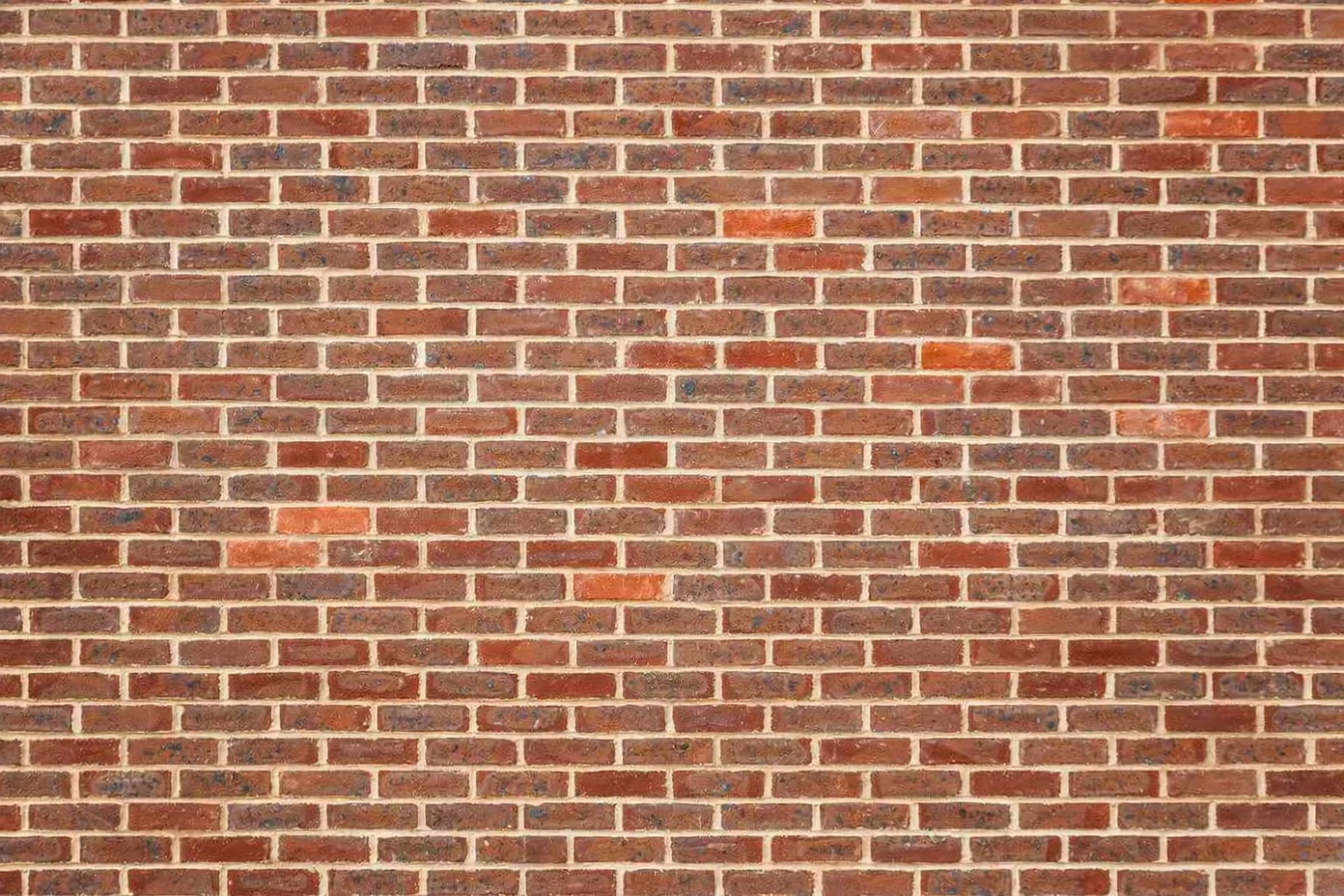
Tuckpointing in Champaign, IL is the process of removing deteriorated mortar from between brick or stone and replacing it with a fresh mix - restoring the wall so it keeps water out, and most residential jobs are complete in one to five days depending on the scope.
Mortar is the sacrificial layer in a brick wall. It is designed to be softer than the brick so it absorbs the stress of temperature swings and slight building movement - and eventually wears out so the brick does not have to. In Champaign, that process happens faster than in milder climates because temperatures cross the freezing point dozens of times each winter. Every freeze-thaw cycle pushes a little more moisture into a worn joint and widens it slightly.
If you are also seeing damage to the bricks themselves, our brick repair service handles cracked, spalling, or shifted bricks before the joints are repointed. The two services often go together on older Champaign homes.
Chalky white staining - called efflorescence - appears when water moves through masonry and leaves dissolved minerals on the surface. In Champaign, where spring rains are heavy and freeze-thaw cycles have already opened up small cracks, this staining is an early warning sign that water is getting in through failing mortar joints.
Stand back and look at the mortar lines on your wall. If you see gaps wider than a credit card, missing chunks, or mortar that looks sandy and loose, those joints need attention. Press a joint at eye level - healthy mortar feels hard. If it crumbles or leaves powder on your finger, it has lost its strength.
Chimneys take more weather abuse than any other part of a brick home. After a Champaign winter, look up at your chimney from the yard. If the mortar between bricks looks ragged, deeply recessed, or missing in spots, water is getting in - and that can cause interior damage as well as exterior damage.
Water staining, peeling paint, or a musty smell near an exterior brick wall or fireplace means water is entering through failed mortar joints. This is a later-stage sign - the mortar has been failing long enough for moisture to work its way through. The sooner you get a mason out, the smaller the repair bill.
Most tuckpointing work falls into one of two categories: full-wall or section repointing, where the mortar across a broad area has reached the end of its life, and targeted spot work, where only a few joints have failed and catching them now prevents a bigger job later. We handle both. For chimneys, which take more weather exposure than any other part of a brick home, chimney tuckpointing is one of our most common calls after a Champaign winter. We also repoint exposed above-grade foundation sections where failed mortar is allowing moisture to contact the structure. If you also need work on the mortar joint profile itself - the angle and finish that controls how well the joint sheds water - our brick pointing service handles that precision finish work.
Whatever the scope, the most important step is choosing the right mortar mix for your specific brick. Older homes in Champaign - particularly those built before 1970 - often have softer brick that requires a lime-based mortar rather than a hard modern cement mix. Using the wrong product can crack the brick face over time. We assess your existing wall before we mix anything, and we explain the choice in plain terms. The Brick Industry Association and the National Park Service Preservation Briefs both emphasize that mortar compatibility is the single most important factor in a tuckpointing job that lasts.
Best for brick or stone homes where the mortar joints across a full wall or section have eroded and need to be replaced throughout.
Suited for chimneys where mortar joints are recessed, crumbling, or missing - particularly after a hard winter season.
For exposed above-grade foundation sections where deteriorating mortar is letting water contact the structure below.
For homes with isolated areas of mortar failure that do not yet require full-wall work - catches problems early at lower cost.
Champaign sits in a climate zone where temperatures cross the freezing point dozens of times each winter. Every time water trapped in a worn mortar joint freezes, it expands and pushes the joint a little wider. Over years, that cycle turns hairline gaps into crumbling channels. Add the clay-heavy soils that hold water against masonry walls after rain - rather than draining quickly - and you have conditions that wear mortar faster than almost anywhere in the region. Homeowners in Champaign and nearby Urbana tend to need tuckpointing sooner and more often than homeowners in milder parts of the state.
A large share of Champaign's housing stock was built between the 1920s and 1960s. Mortar from that era - often lime-based mixes - has long since reached the end of its useful life on many homes. If your home was built before 1970 and has never had the mortar professionally replaced, there is a good chance the joints have been quietly deteriorating for years. Many homeowners discover the problem only after water staining appears inside or after a contractor points it out during a different repair.
Tell us where you are noticing the problem - a chimney, an exterior wall, or a basement section. We will ask a few basic questions and schedule an in-person visit. We respond within 1 business day.
We walk the exterior, test mortar joints, and assess how much of the wall needs attention. You receive a written estimate covering scope, materials, and total cost - before you commit to anything.
The crew grinds or chisels out old mortar to a consistent depth, then packs in fresh mortar matched to your brick. Expect some noise and light dust near the work area. A professional crew lays drop cloths and cleans up each day.
We walk you through every repaired section before we leave. New mortar needs 48 hours dry time and at least four weeks before power-washing or sealing. We give you specific guidance based on the weather at the time of your job.
We respond within 1 business day. Written estimates before any work begins. No pressure, no surprises.
(217) 316-8581Using mortar that is harder than your brick forces cracks into the brick face rather than absorbing movement the way mortar should. We assess your brick and mix a mortar suited to it before touching your wall. That step protects your masonry for decades.
You will never be surprised by work you did not agree to. We explain every finding before starting and give you a written estimate describing what we found, what we are doing about it, and the total cost. No pressure, no surprises.
We have been tuckpointing brick homes across Champaign and surrounding communities since 2020. We know the local freeze-thaw pattern, the clay-soil drainage issues, and the older lime-based mortars common in mid-century Champaign homes. That context makes a real difference in how we diagnose and repair.
We carry liability insurance and workers compensation coverage. Ask to see our certificate - we provide it without hesitation. Working with a licensed, insured contractor protects you if anything unexpected happens during the job.
Every tuckpointing job we do is backed by a written estimate and a clear walkthrough before and after the work. We want you to be able to see the quality in every joint before we pack up - and to know your wall is ready for whatever Champaign throws at it next winter.
When bricks themselves are damaged - cracked, spalling, or shifted - we replace them and repoint the surrounding joints so the repair blends in.
Learn MorePrecision mortar joint finishing for brick walls where joint profile and water-shedding angle matter as much as the fill.
Learn MoreMortar joints that look fine today can fail badly over one hard winter. Call now or request an estimate online and we will get eyes on your wall within days.