
Loading...
Champaign Concrete & Masonry has served Champaign homeowners with foundation repair, tuckpointing, and brick repair since 2020. We are locally owned, licensed, and insured - and we reply within one business day.
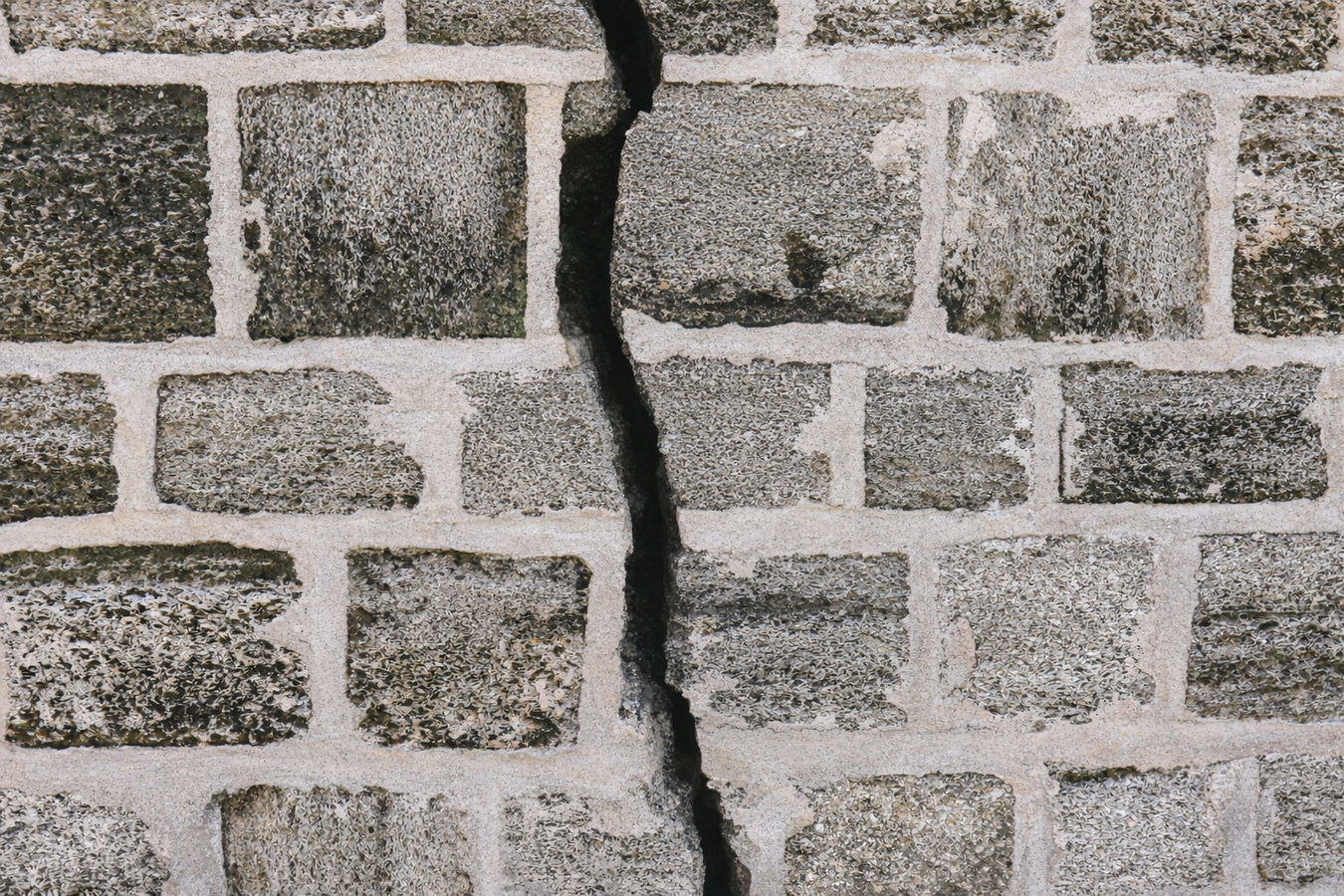
Champaign sits on clay-heavy prairie soil that swells with water and shrinks when it dries - which puts steady pressure on concrete foundations year after year. If you see horizontal cracks in your basement walls or doors that have started sticking, those are signs the foundation is moving. Learn more about our foundation repair process and what to expect.
Champaign winters are cold enough to freeze the ground three feet deep, and that same freeze-thaw cycle attacks mortar joints in brick walls, chimneys, and steps. When mortar recedes or crumbles, water gets in and makes the damage worse every season. We replace worn mortar with properly matched material so the masonry stays tight and water-resistant.
Older neighborhoods on the north side of Champaign have brick homes from the 1920s through 1940s. After decades of Illinois winters, clay bricks on these homes can spall, crack, or face surface erosion. We source brick that matches your existing material and repair damaged sections so the repair blends in, not out.
Champaign gets enough freezing rain and ice to crack chimney crowns and spall chimney bricks over multiple winters. A damaged chimney crown lets water into the flue, which can cause interior damage and create a fire hazard. We inspect, tuckpoint, and rebuild chimney crowns and caps to stop water entry before it becomes a bigger problem.
Many Champaign homes from the 1950s through 1980s still have original concrete driveways that have cracked and settled over decades of freeze-thaw cycles. Paver driveways handle Illinois winters better than plain concrete - individual pavers flex with ground movement instead of cracking in long slabs.
Champaign is flat, but many lots on the south and west sides have graded yards where soil erosion is a real problem after spring rains. A well-built retaining wall stops erosion, levels usable yard space, and holds up to the wet springs this part of central Illinois sees every year.
The soil under most of Champaign is heavy clay, and clay soil does not behave like sandy or loam soil - it holds water, swells, and then shrinks as it dries. That repeated expansion and contraction is what drives so many of the masonry problems homeowners in this area deal with. Foundation cracks, heaved sidewalks, and spalling brick are not signs of poor construction. They are the predictable result of an Illinois climate working on clay soil year after year. A contractor who does not understand this will fix the symptom and miss the cause.
The age of Champaign housing stock is the other factor that shapes the work. The north side of the city has homes going back to the 1890s and 1940s. Many have never had their mortar joints replaced or their foundations inspected since they were built. Postwar ranch homes from the 1950s and 1960s - common in Champaign's established residential neighborhoods - are now old enough that original concrete work, brick veneer, and chimneys are showing the first signs of serious wear. The right masonry contractor knows what to look for on both older brick structures and mid-century concrete block foundations.
Our crew works throughout Champaign regularly, and we pull permits from the City of Champaign Building Safety Division for structural jobs that require them - foundation work, new retaining walls, and similar projects. We know which job types require city sign-off and which do not, so homeowners do not end up surprised by a permit requirement after work has started.
We work on homes from Campustown near the University of Illinois to the newer subdivisions on the south side off Devonshire Drive. Those two parts of town have completely different housing stocks - old brick construction near campus versus vinyl-sided ranch homes further out - and the masonry needs are different in each. We also serve the residential streets off Neil Street and along University Avenue, where many of the city's mid-century brick bungalows sit.
We cover the whole Champaign-Urbana metro. If you are in a neighboring community, check our Urbana, IL service page, or browse all the areas we cover from the service area menu above.
Reach us by phone at (217) 316-8581 or through the estimate form on this page. We reply to every inquiry within one business day - usually the same day.
We come to your property, inspect the masonry, and walk you through exactly what we see. You get a written estimate with a clear scope of work and cost before anything is agreed to - no pressure.
Once you approve the estimate, we schedule the job and give you a start date. Most Champaign masonry repairs are completed in one to three days depending on the scope. We keep you informed if anything changes.
When the job is done, we walk through the work with you so you can see exactly what was done and ask questions. We clean up the site fully before we leave - no leftover debris on your driveway or lawn.
We serve homeowners throughout Champaign, IL. Call (217) 316-8581 or fill out the form and we will get back to you within one business day.
(217) 316-8581Champaign is a mid-sized city of about 89,000 people in central Illinois, directly adjacent to Urbana and anchored by the University of Illinois Urbana-Champaign, one of the largest public universities in the country. The university shapes nearly every aspect of the city - the economy, the rental market, and the mix of long-term homeowners and short-term residents. Major employers beyond the university include Carle Health and Christie Clinic, which bring stable professional households to the area.
The city's housing stock spans a wide range. The north side has brick homes and bungalows from the 1890s through the 1940s - many of which are now past 80 years old and carrying deferred masonry maintenance. The Campustown area near campus is dense with converted single-family homes and rental properties. The south and west sides of the city have postwar ranch homes from the 1950s through 1970s, plus newer subdivisions built from the 1990s onward. Notable landmarks include Memorial Stadium near the university and the Market Place Mall on Neil Street, which many residents use as a geographic landmark when describing their neighborhood. If you are just across the border in neighboring Urbana, we serve that city as well.
Build walls that hold back soil and prevent erosion on your property.
Learn MoreAdd a custom masonry fireplace that becomes your home's centerpiece.
Learn MoreTransform exterior surfaces with beautiful, low-maintenance stone veneer.
Learn MoreInstall strong block foundations built to support your structure for decades.
Learn MoreDesign and build attractive walkways that stand up to heavy foot traffic.
Learn MoreAdd enduring brick walls that enhance privacy, security, and style.
Learn MoreChampaign winters are hard on masonry - the sooner you address a crack or worn mortar joint, the less it costs to fix. Contact Champaign Concrete & Masonry for a free estimate.