
Loading...
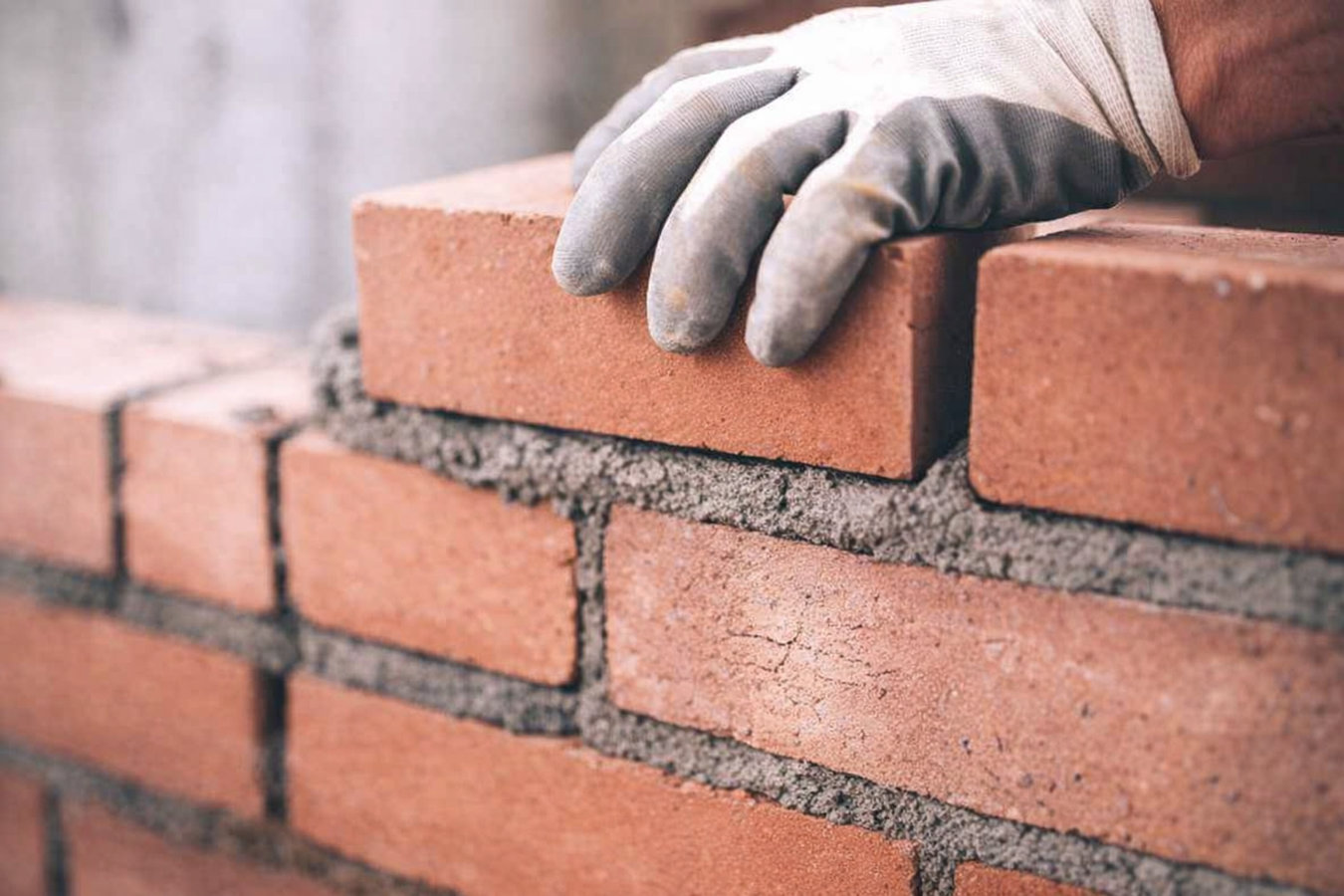
A leaning wall or crumbling mortar is only the visible part of the problem. We install freestanding and retaining brick walls in Champaign with frost-depth footings and matched materials - so your wall stays plumb and solid through decades of Illinois freeze-thaw winters.
Brick wall installation in Champaign starts below the ground, not at the first brick. A mason digs and pours a concrete footing below the frost line, waits for it to cure, and then lays each row of brick one at a time into a bed of mortar. Most residential wall projects take two to five days of active work, plus about 28 days for the mortar to reach full strength - the wall looks finished before then, but you should avoid heavy pressure on it during that curing window.
In Champaign, the footing depth is not negotiable. The ground freezes to about 36 inches in a typical winter, and any footing that sits above that line will be pushed upward by frost heave - gradually tilting or cracking the wall above it. This is the single most common reason brick walls fail in central Illinois. If you are also dealing with mortar joints that have cracked or crumbled on an existing wall, our brick repair service can handle targeted repairs before problems grow.
Homeowners who want to match a new wall to an existing stone feature can combine the scope with our stone masonry work - we source materials that complement both the brick and any stone already on the property, so the finished project looks unified rather than piecemeal.
If you can see cracks running through mortar joints, or if the wall looks like it is tilting even slightly, the footing or mortar has been compromised. In Champaign's clay soil, this kind of movement often starts small and gets worse each year as the ground shifts with moisture. Catching it early - before bricks start to separate - is much cheaper than a full rebuild.
If rainwater consistently pools against your foundation or washes soil down a slope in your yard, a retaining wall can redirect that flow and hold the grade in place. Champaign's flat terrain and heavy clay soil mean water does not drain quickly, and low spots near a foundation can cause real damage over time. A brick retaining wall is a permanent fix rather than a seasonal battle.
If you are planning a backyard project and want a clean, lasting border - around a raised garden, along a patio edge, or as a low privacy screen - a brick wall gives you something that will not rot, shift, or need replacing every few years. This is especially common in Champaign's older neighborhoods where homeowners are updating mid-century yards.
That white residue is called efflorescence - mineral salts being pushed to the surface by water moving through the brick. It is a reliable sign that water is getting into the wall somewhere, often through failing mortar joints. Left alone, that moisture accelerates damage through Champaign's freeze-thaw winters. It is a good prompt to have a mason take a look before the problem grows.
Every brick wall project we take on begins with the footing - dug below the 36-inch frost depth that defines central Illinois, poured as a continuous concrete pad, and allowed to cure before a single brick is laid. We then build each course carefully, checking for plumb and level as we go and tooling the mortar joints to a consistent profile. The result is a wall where the mortar joints are uniform, the bricks are flush with each other, and the whole structure sits straight when you hold a level against it. For larger retaining walls, we also account for drainage behind the wall to prevent hydrostatic pressure from pushing outward over time. If your project involves matching new brickwork to existing mortar joints on a chimney or facade, our brick repair team handles color-matched mortar and targeted repointing as part of the same visit.
In Champaign's established neighborhoods near campus and downtown, matching brick color and texture to an existing home is something we take seriously. We work with suppliers who carry compatible materials, and we bring samples to the estimate appointment so you can see the match before anything is ordered. Homeowners who want a complementary stone element alongside a new brick wall can combine the scope with our stone masonry service - columns, pillars, or a mixed-material boundary that ties the whole property together.
For homeowners who want a low, lasting boundary around a garden bed, front yard, or property line - built to match the character of Champaign's established residential neighborhoods.
A good fit for yards with slopes, erosion problems, or water pooling near the foundation - built with deeper footings, drainage provisions, and structural mortar rated for load-bearing applications.
For homeowners who want a taller screen along a property edge or patio perimeter - designed and permitted to meet City of Champaign height requirements for freestanding structures.
A popular choice in Champaign's older neighborhoods where brick pillars at the driveway entrance or front walkway gate add a finished, cohesive look to the whole property.
Champaign experiences dozens of freeze-thaw cycles every winter, from November through March. Each cycle puts stress on mortar joints and on any water that has seeped into small cracks - expanding that crack a little wider each time. The city also sits on heavy clay soil that swells when wet and shrinks when dry, putting pressure on footings from below as the ground moves through wet springs and dry summers. A mason working here needs to account for both forces with a deeper footing and a mortar mix appropriate for the conditions. The Brick Industry Association publishes technical guidance on installation standards for freeze-thaw climates that we follow on every project.
A large share of Champaign's homes were built between the 1940s and 1970s, and many already have brick features - chimneys, planters, front steps, or low boundary walls - that are now showing their age. Adding a new wall to match existing brickwork takes some sourcing effort, and we know which local suppliers carry compatible materials for mid-century Champaign brick. Homeowners in Urbana, IL face the same clay soil and freeze-thaw conditions as Champaign, and we work across both cities regularly. Residents of Mahomet, IL often contact us for new garden and boundary walls in newer subdivisions where no masonry features currently exist.
We schedule a site visit to measure the space, assess ground conditions, and look at drainage and slope. You receive a written quote that breaks out labor, materials, footing work, and permit fees - not a single number that leaves you guessing. We respond within one business day of your initial contact.
For most wall projects in Champaign, we pull a building permit through the City of Champaign Building Safety Division before work begins. This typically takes a few business days to two weeks. Once the permit is approved, we confirm your start date and let you know what you need to prepare on your end.
Before a single brick goes down, the crew digs and pours a concrete footing below the frost line. This phase is invisible once the wall is finished, but it is the most important step - a footing that does not go deep enough will be pushed upward by frost heave within a few winters. Expect a day or two for the footing to set before bricklaying begins.
The mason lays each course carefully, checking plumb and alignment as the wall rises. The crew cleans mortar residue off brick faces and removes all materials from your yard before leaving. We walk the finished wall with you to confirm the joints are even, the wall is straight, and you are satisfied before closing the project.
Written quote covering labor, materials, footing, and permits. We reply within one business day.
(217) 316-8581In Champaign, the ground freezes about 36 inches deep in a cold winter. Every footing we pour goes below that line - not to the minimum, but far enough to account for a colder-than-average year. This is the step most homeowners never see, but it is what separates a wall that holds its line for decades from one that starts leaning after its second or third winter.
Many Champaign homes built between the 1940s and 1970s have distinctive brick colors and textures that are hard to match without knowing the right suppliers. We bring material samples to the estimate appointment and source from local distributors who carry compatible mid-century brick - so your new wall looks like it belongs next to your home, not like it was added later.
Most brick wall projects in Champaign require a building permit from the City of Champaign Building Safety Division. We handle the application, submit the required plans, and schedule around the permit review timeline so your project does not stall. You never have to navigate city building departments yourself or worry about having work stopped after it has started.
A retaining wall that holds back soil also holds back water if it is not designed with drainage in mind - and hydrostatic pressure will push even a well-built wall outward over time. We incorporate drainage provisions behind every retaining wall we build, protecting both the wall and the foundation it is meant to shield. This detail is often skipped by less experienced contractors and shows up as wall failure within a few years.
These are the differences that show up years after installation, not on the day the crew leaves. We build brick walls in Champaign the way this climate requires - deep footings, proper mortar, matched materials, and permits pulled before any digging starts.
Natural stone columns, pillars, and mixed-material features to complement a new brick wall on the same property.
Learn MoreTargeted repointing and spalled brick replacement for existing walls before damage spreads through another winter.
Learn MoreMasonry contractors in this area book fast once the ground thaws - contact us now to lock in your timeline.