
Loading...
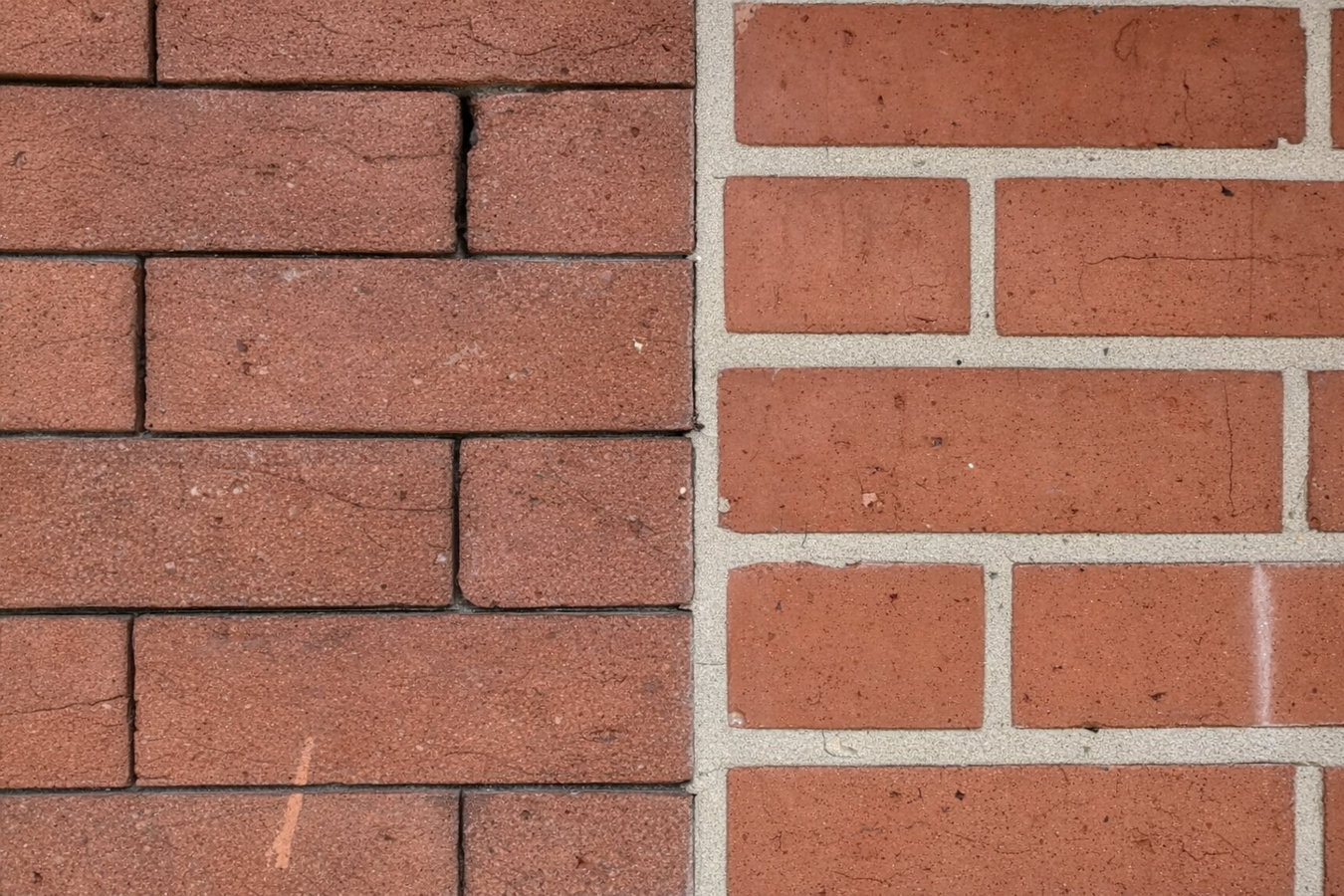
Crumbling mortar between your bricks is not just cosmetic - it is how water gets into walls, chimneys, and foundation surfaces. We repoint brick in Champaign by cutting out the old mortar to the right depth, matching color, and packing in fresh material that holds up through Illinois freeze-thaw cycles.
Brick pointing in Champaign is the process of removing crumbled or cracked mortar from the joints between bricks and packing in fresh material - most chimneys and small wall sections take one to three days, and no permit is required for standard repointing work.
In Champaign, mortar on homes built before the 1970s has typically reached or passed the end of its useful life. The freeze-thaw cycles here are relentless - water gets into a small crack, freezes and expands, then thaws and contracts, making the crack a little wider each time. The bricks themselves are often in fine shape; it is the joints that are the problem. If your home has brick walls, a chimney, or a brick foundation surface, our foundation repair team can assess whether moisture from failing joints has reached the foundation below grade as well.
For homes where the damage goes beyond mortar - spalling bricks, shifting sections, or structural concerns - broader masonry restoration may be the right conversation to have before deciding on a scope of work.
Run your finger firmly along a mortar joint on your chimney, foundation wall, or exterior brick. If the mortar powders or flakes away, it has lost its binding strength. This is one of the clearest signs that repointing is overdue - and in Champaign's climate, it is common on homes more than 30 to 40 years old.
Look at your brick wall in raking light - early morning or late afternoon sun works well. If you can see shadows in the joints, or if the mortar sits noticeably deeper than the brick face, water is already getting in. Left alone through another Champaign winter, those gaps will widen with every freeze-thaw cycle.
A white, chalky residue - called efflorescence - is a sign that water is moving through the wall and carrying dissolved salts to the surface. In Champaign, this shows up most often after wet springs or following a winter with heavy snow and ice. The staining is not dangerous on its own, but what is causing it usually is.
If you notice water stains on the inside of an exterior brick wall, near a fireplace, or in a basement with brick walls, failing mortar joints are a likely entry point. Champaign's clay soils hold moisture against foundation walls longer than sandy soils would, making this problem more common here than in drier regions.
Proper repointing starts with the prep, not the mortar. We use angle grinders or chisels to cut out the old material to a consistent depth - roughly three-quarters of an inch - before any new mortar goes in. Smearing new mortar over old is a shortcut that fails quickly; we do not do it. Once the joints are cleaned and any loose debris is removed, we pack in fresh mortar by hand, tool the joints to match the original profile, and clean mortar smears off the brick face as we go. We also test mortar samples against your existing joints before committing to a mix, because color matters - particularly on a front-facing chimney or a visible exterior wall. The National Park Service Preservation Briefs on repointing masonry are the recognized standard for this kind of work, and we follow that guidance on material selection and joint preparation.
For brick surfaces where mortar failure is accompanied by structural concerns - bowing walls, displaced sections, or evidence of foundation movement - we scope the project alongside our foundation repair and masonry restoration services so you get a complete picture rather than a partial fix. Chimneys that need more than just joint repair - crown cracking, damaged cap, or failing flashing - are assessed as part of the same visit.
For homeowners whose chimney takes the worst of every storm - fully exposed on all four sides and due for attention if it has not been inspected in over a decade.
A good fit for homeowners with older brick facades where the mortar has recessed or crumbled - restoring the water barrier without replacing sound brick.
For homes where brick or block foundation walls have mortar joints at or near grade level that are allowing moisture into the basement - particularly common with Champaign's clay-holding soils.
For homeowners who caught the problem early - addressing isolated failing sections before moisture spreads the damage to surrounding joints.
Champaign's Near North Side, Campustown area, and older sections of the southwest side have a high concentration of brick homes built between the 1920s and 1960s. Mortar from that era was often made with lime-heavy mixes that have long since reached the end of their life - not because the work was poor, but because 60 to 80 years of Champaign winters is simply what mortar is designed to handle before it needs renewal. The freeze-thaw cycle here is particularly unforgiving: temperatures routinely swing above and below freezing dozens of times each winter, and every cycle pushes existing cracks a little wider. The Brick Industry Association recommends inspecting mortar joints every few years in freeze-thaw climates - an interval that most Champaign homeowners have not kept up with on older properties.
Homeowners in Urbana, IL face the same brick housing stock and the same freeze-thaw pattern as Champaign - our crew works both cities regularly and understands the mortar demands of older brick construction in this climate. Residents of Danville, IL also have significant older brick housing stock, and we extend the same standards of joint depth and mortar matching to every project in the region.
We ask what type of surface needs work - chimney, wall, or foundation - and roughly how large the area is. Most Champaign homeowners get an on-site estimate scheduled within a few days. We respond within one business day of your inquiry.
We walk the area with you and look closely at the mortar joints, the condition of the bricks, and any signs of water intrusion. We note which sections need full repointing versus spot repairs, and check whether any bricks need replacing before repointing begins.
The crew grinds or chisels out the old mortar to the right depth - the noisiest part of the job. Once joints are cleaned, fresh mortar is packed in by hand, tooled to match the original profile, and brick faces are cleaned as work proceeds. A typical chimney or small wall section is completed in one to two days.
We sweep up mortar chips and dust and walk the work with you before leaving. Fresh mortar needs at least 24 to 48 hours before it gets wet, and continues to harden for several weeks. Avoid power-washing the repaired area during the curing period.
Free written estimate. No pressure, no obligation. We reply within one business day.
(217) 316-8581Cutting out old mortar to a full three-quarters of an inch before packing in new material is what separates repointing that lasts 25 years from work that fails in five. We do not smear over old mortar - we remove it to the correct depth on every section, because that preparation is what determines how long the repair holds through Champaign winters.
We test sample batches against your existing joints and let them dry before starting - because mortar shifts significantly in color as it cures. On older Champaign homes with weathered brick, matching color takes real skill, and getting it right means the repair blends in rather than drawing the eye to a patch.
We walk the job with you, explain what we find, and give you a written quote before work starts. In a city where older homes often have more going on beneath the surface than they appear from the street, that transparency matters. No surprises when the invoice arrives.
Quality repointing done with the right mortar mix and proper joint preparation lasts 25 to 30 years. The University of Illinois Extension documents the clay soil and freeze-thaw conditions that make material selection critical in this region. We choose mixes suited to those conditions so the work holds up rather than needing attention again in a few winters.
Every commitment above comes back to the same thing: repointing done right in Champaign requires understanding the local climate and housing stock. The prep work, mortar selection, and color matching are not extras - they are what the job requires to hold up here specifically.
Address moisture damage below grade when failing mortar joints have allowed water to reach the foundation.
Learn MoreFull structural and cosmetic restoration for brick surfaces where the damage goes beyond mortar joints alone.
Learn MoreFall booking slots fill fast - lock in your date before the season closes and winter does more damage.